Ep216 - I Slept Fine — So Why Was I Always Exhausted? Lindsay Scola on the Sleep Disorder That Took 19 Years to Name
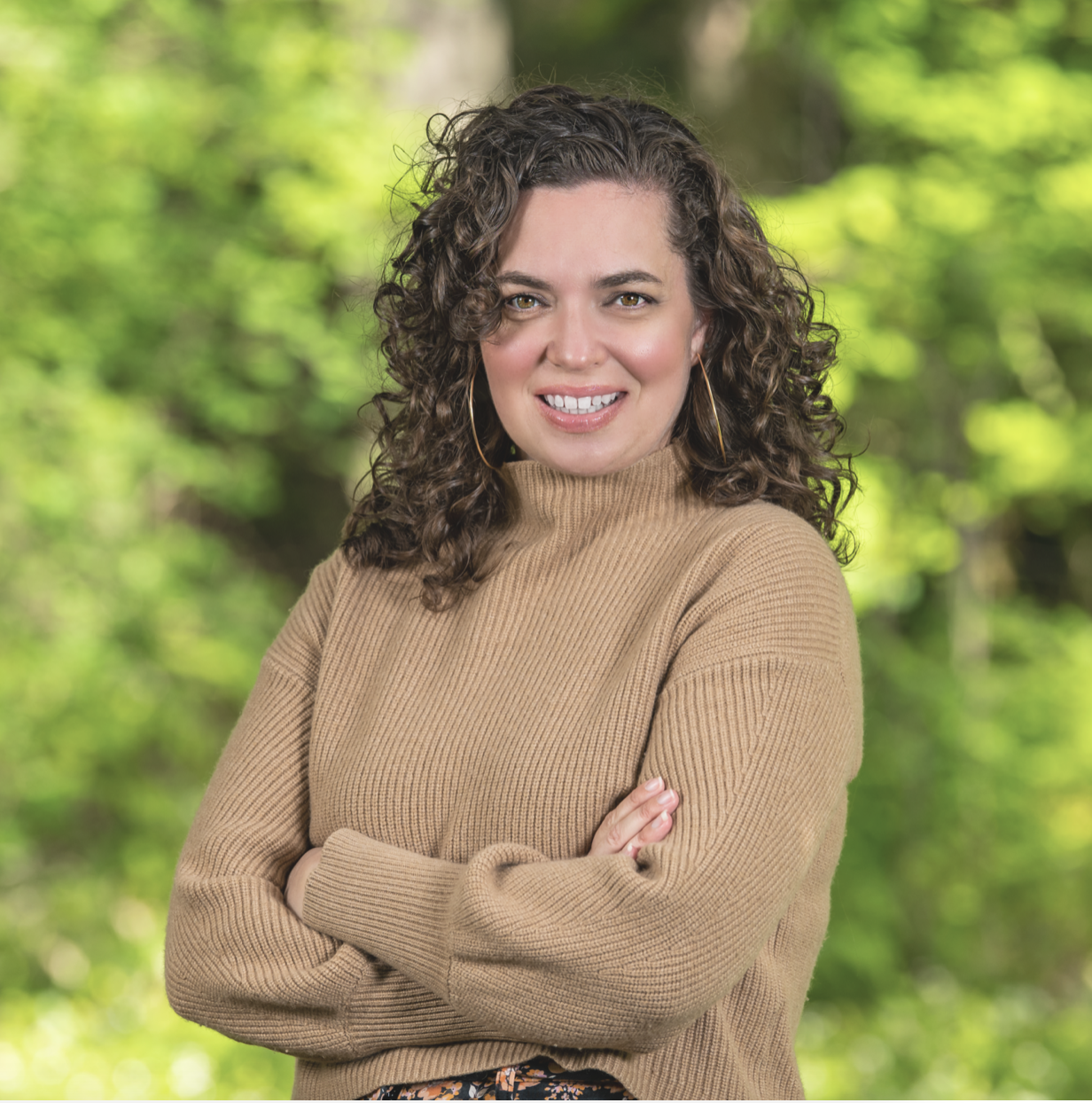
"My third day on the medication, I woke up crying because I felt rested. In my entire life, I had never woken up feeling like it was time to wake up." — Lindsay Scola
💻Lindsay’s website: https://www.lindsayscola.com
📺 Lindsay's TEDx talk: https://www.youtube.com/watch?v=o8ykomUh6-Y
📱 Find Lindsay on Instagram & LinkedIn: @lindsay.scola
We spend a third of our lives asleep, yet most of us were never taught what healthy sleep is actually supposed to feel like. In this powerful episode, Dr. Yishan welcomes Lindsay Scola — a former political staffer who worked on the Obama campaign and at the U.S. Mission to the UN — who was diagnosed with narcolepsy at 35, a full 19 years after her symptoms first began. Lindsay shares her remarkable journey through years of dismissed complaints, misdiagnoses, and relentless self-blame, and how finally understanding her body transformed her relationship with herself. Together, we unpack what sleep disorders really look and feel like, why "just try harder" and endless sleep-hygiene checklists so often fail, and how to become your own best advocate in a medical system where sleep education is critically thin. This is a conversation about resilience, self-compassion, and learning to listen to your body.
🔑 Key Takeaways:
Narcolepsy is far more than "falling asleep in your soup" — symptoms include excessive daytime sleepiness, fractured sleep, sleep paralysis, hallucinations, and cataplexy, and they don't obviously belong to the same story.
Sleep education in medical school is shockingly limited — under two hours in the US — so many doctors default to blaming stress, work, or hormones.
There are over 90 sleep disorders, but most people have only ever heard of insomnia (and maybe sleep apnea).
Learn the language of your symptoms — you can't advocate for what you can't name, and naming it helps your doctor connect the dots.
High achievers are especially prone to blaming themselves — if you're suddenly beating yourself up for not performing like you used to, that's not a character flaw, it's potentially a symptom worth investigating.
Find your baseline — you can't tell what's a symptom, a side effect, or an improvement until you know what "normal" feels like in your own body.
Make it a partnership — take notes on everything, keep asking questions, and if a provider won't work with you, seek a second opinion.
You can have more than one condition at once — one diagnosis doesn't rule out another, and a treatment that isn't solving the problem is itself a piece of data.
Sleep hallucinations can be misdiagnosed as psychosis — knowing they're a real phenomenon can prevent years of wrong treatment.
Sleep is your competitive advantage, not the first thing to sacrifice — being awake 17+ hours impairs you like being legally drunk, and chronic short sleep declines you cognitively even when you feel "fine."
Are you so sleepy that you cannot focus? Are you tired of getting through the day drinking coffee? Are you worried how your poor sleep may impact your health? Check out Dr. Yishan Xu's Insomnia Treatment Course!
RESOURCES
Are you so sleepy that you cannot focus? Are you tired of getting through the day drinking coffee? Are you worried how your poor sleep may impact your health? Checkout Dr. Yishan Xu's Insomnia Treatment Course!
Connect with Dr. Yishan
Newsletter and Download Free Sleep Guidance E-Book
CBT-I Courses: English and Chinese
Podcast Links:
If you're interested in learning more about psychological testing and the services offered at the MindBodyGarden make sure to visit their website at mindbodygarden.com/AssessmentClinic.